.svg)

Cheap EVs vs Nissan ARIYA: The Hidden Cost of Ownership
Before You Buy Australia's Cheapest Electric Vehicle, Ask What Happens Next
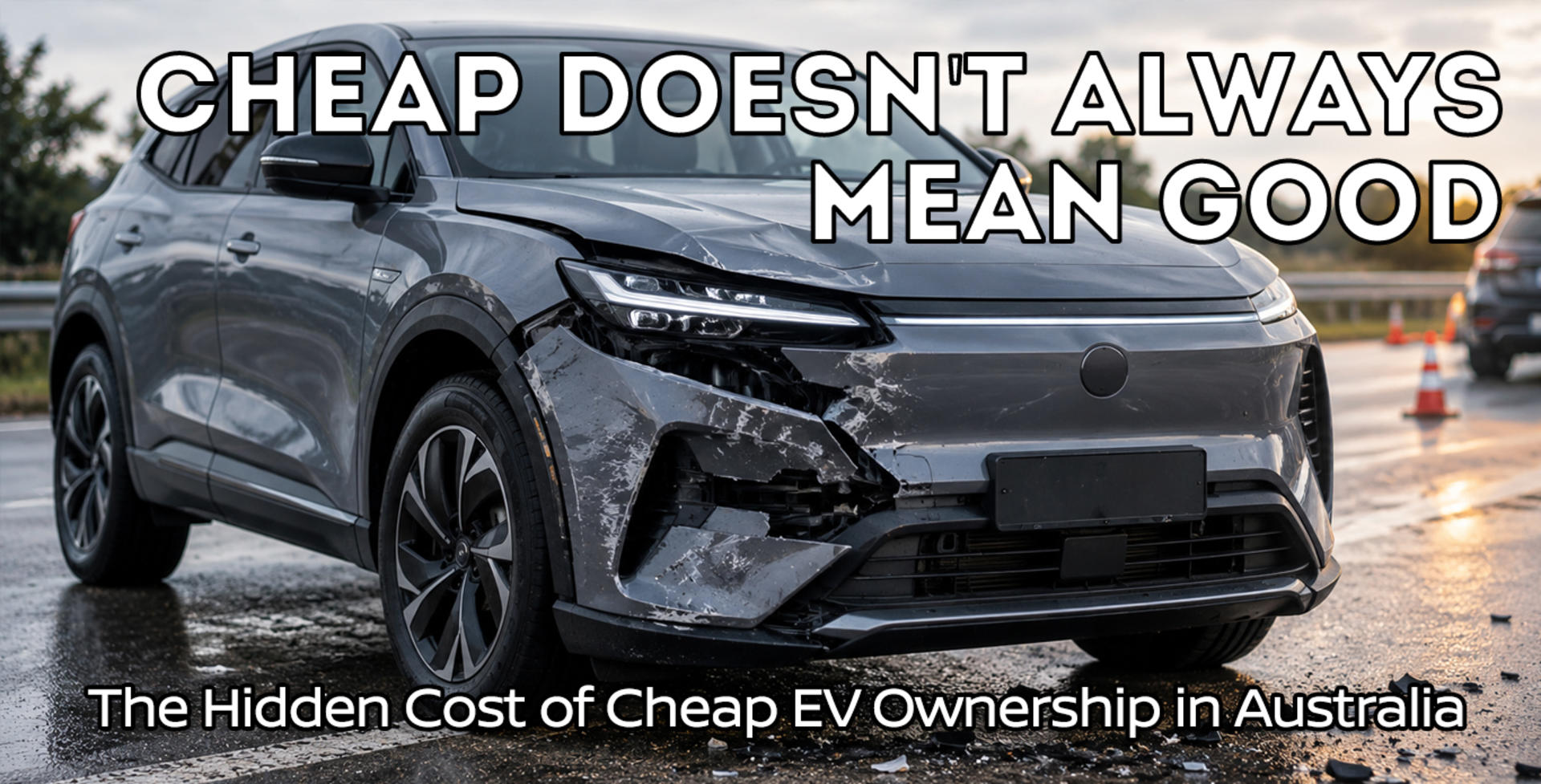
Cheap Doesn't Always Mean Good: The Hidden Cost of Cheap EV Ownership in Australia
Australia's electric vehicle market is changing rapidly. New EV brands are arriving almost constantly, many offering vehicles at prices that would have seemed impossible just a few years ago. For Australian buyers, particularly those feeling the pressure of cost-of-living increases, a brand-new electric vehicle priced under $40,000 can be incredibly tempting.
And understandably so. When you see one EV advertised for $36,990 and another for $49,990, the obvious question is:
Why would I spend more?
But perhaps the more important question is:
What happens after you buy it?
What happens if you're involved in an accident? What happens when you need a replacement bumper, headlight or grille? How long will parts take to arrive? Who is holding those parts in Australia? What happens to the parts supply chain if the manufacturer decides Australia isn't commercially viable? And what does all of this mean for your insurance, repair costs and resale value?
These are questions that many Australians are only just beginning to ask. At Dandenong Nissan, we believe the conversation around electric vehicles needs to go beyond how cheaply you can buy one. Because cheap doesn't always mean good. And sometimes, the cheapest car to buy can become the more expensive car to own.
The Price You Pay Isn't Always the Cost of Ownership
There's no denying that the influx of low-priced EVs into Australia has changed the market. Competition is good. More choice is good. And more Australians having access to electric vehicle technology is ultimately a positive thing.
But buying a vehicle based purely on its drive-away price can overlook some of the biggest costs associated with long-term ownership. A vehicle is something most Australians expect to own for years. During that time, you may need:
- Replacement parts
- Accident repairs
- Insurance
- Windscreens and lighting
- Body panels
- Mechanical or electrical repairs
- Manufacturer support
- Warranty assistance
- Servicing
- Future resale support
And that's where the difference between a cheap vehicle and an established vehicle ownership network can become much more important.
The Nissan ARIYA Comes From a Different Ownership Philosophy
The all-electric Nissan ARIYA represents something very different from a newcomer entering Australia with a low purchase price. The ARIYA is built in Japan. It comes from a manufacturer with more than 60 years of history in Australia.
Nissan has spent decades building its Australian infrastructure, including dealerships, service centres, parts operations and technical support. That infrastructure isn't particularly exciting when you're standing in a showroom choosing the colour of your new car. But it becomes incredibly important when something goes wrong.
What Happens When You Need a Part?
This is one of the biggest questions Australian EV buyers should be asking. Imagine a relatively minor accident. The vehicle needs a new front bumper. Nothing particularly unusual. No major mechanical damage. Just a common replacement part.
At Dandenong Nissan, we recently looked at exactly this type of ownership scenario by comparing the cost and availability of a front bumper for a low-priced budget EV against the Nissan ARIYA.
The difference was significant. For the budget EV, the bumper alone was well over $1,000 before painting or fitting. The part was also on backorder, with no confirmed availability timeframe. For the Japanese-built Nissan ARIYA, the comparison was very different.
The bumper was available through Nissan's established Australian parts network, located at Nissan's CEVA parts warehouse in Truganina, and could be delivered to the dealership the following business day. Perhaps even more surprisingly: The Nissan bumper was approximately half the cost. That's a significant difference. Especially when you consider that the Nissan ARIYA has a substantially higher purchase price.
So why can a more expensive vehicle sometimes have a cheaper replacement part? The answer can often come down to something buyers don't see when they're shopping for a new car. The supply chain behind it.
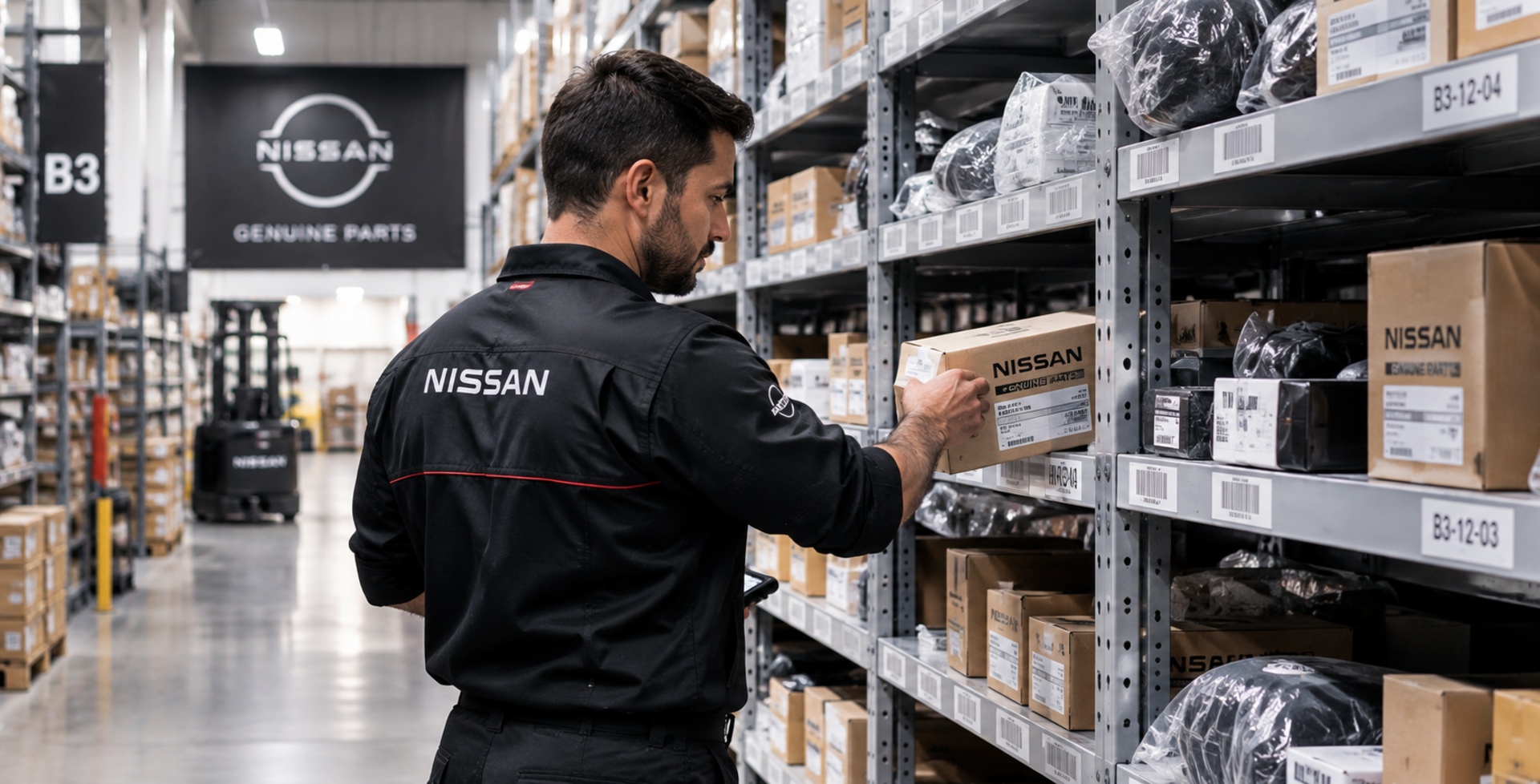
The Hidden Problem With Parts Supply
Selling a vehicle in Australia is one thing. Supporting it for the next 10 or 15 years is another. Australia is a relatively small automotive market when compared with China, Europe or North America. For a new manufacturer entering Australia, establishing a comprehensive local parts operation requires significant investment.
Parts need to be imported. Warehouses need to be established. Inventory needs to be purchased and stored. Staff need to manage the operation. Parts need to be distributed to repairers and dealerships around the country.
That costs money.
Some newer automotive brands instead rely heavily on their dealer networks to hold parts inventory or utilise international supply chains. The problem is that dealerships are not unlimited warehouses. Holding a comprehensive inventory of parts is expensive.
It requires warehouse space. It ties up significant capital.
And for a newer brand with a rapidly growing model range, predicting exactly which parts will be required can be difficult. This can result in parts being ordered from overseas when they are needed. And Australia is a long way from almost everywhere.
A Vehicle Can Be Cheap Until Something Goes Wrong
This is the part of EV ownership that isn't always discussed in advertisements. A car might be competitively priced when new.
But what happens after an accident? If a common replacement part isn't available locally, a relatively straightforward repair can become a much longer process. Weeks can potentially become months. And while a vehicle is waiting for parts, there can be other costs accumulating.
Repair facilities. Assessment costs. Storage. Hire vehicles. Insurance claims. Customer inconvenience.
These are all factors that can affect the overall cost of repairing a vehicle. And ultimately, they're factors that insurance companies need to consider too.
Why Your Insurance Premium Could Tell You Something
We recently conducted an insurance comparison between a low-priced EV with a purchase price of approximately $36,990 and the Nissan ARIYA at approximately $49,990.
The quote was based on the same driver profile:
- 40-year-old male
- Dandenong location
- No prior claims


The result surprised us. Despite the Nissan ARIYA having a considerably higher purchase price, the difference in insurance worked out to only a couple of dollars per week. That raises an interesting question.
Why would a significantly more expensive vehicle cost almost the same to insure?
Insurance companies assess a wide range of risks when determining premiums. These can include factors such as:
- The cost of repairs
- The availability and cost of replacement parts
- Vehicle replacement costs
- Claim history
- Repair complexity
- How long repairs may take
- The potential cost of providing alternative transport
- The likelihood of a vehicle being economically repairable
We aren't suggesting that every budget EV will be more expensive to insure, or that every Nissan ARIYA quote will be cheaper. Insurance premiums are highly individual and can change based on the driver, location, insurer and policy.
But the comparison highlights something important: Purchase price doesn't tell the whole ownership story.
The Risk of a Vehicle Being Written Off
One of the realities of modern vehicles is that repair costs can escalate quickly.
A relatively minor accident can involve:
- Cameras
- Radar sensors
- LED lighting
- Bumpers
- Grilles
- Sensors
- Wiring
- Calibration
- Labour
- Replacement components
When replacement parts are expensive and the vehicle itself has a relatively low market value, the economics of repairing it can become challenging. This is something buyers should consider when choosing a vehicle based purely on the cheapest possible purchase price.
A $36,990 vehicle might seem like a bargain. But if a relatively straightforward repair becomes disproportionately expensive, the vehicle's lower replacement value can become part of the ownership equation. It's another example of why cheap doesn't always mean inexpensive to own.
What Happens if a New Brand Leaves Australia?
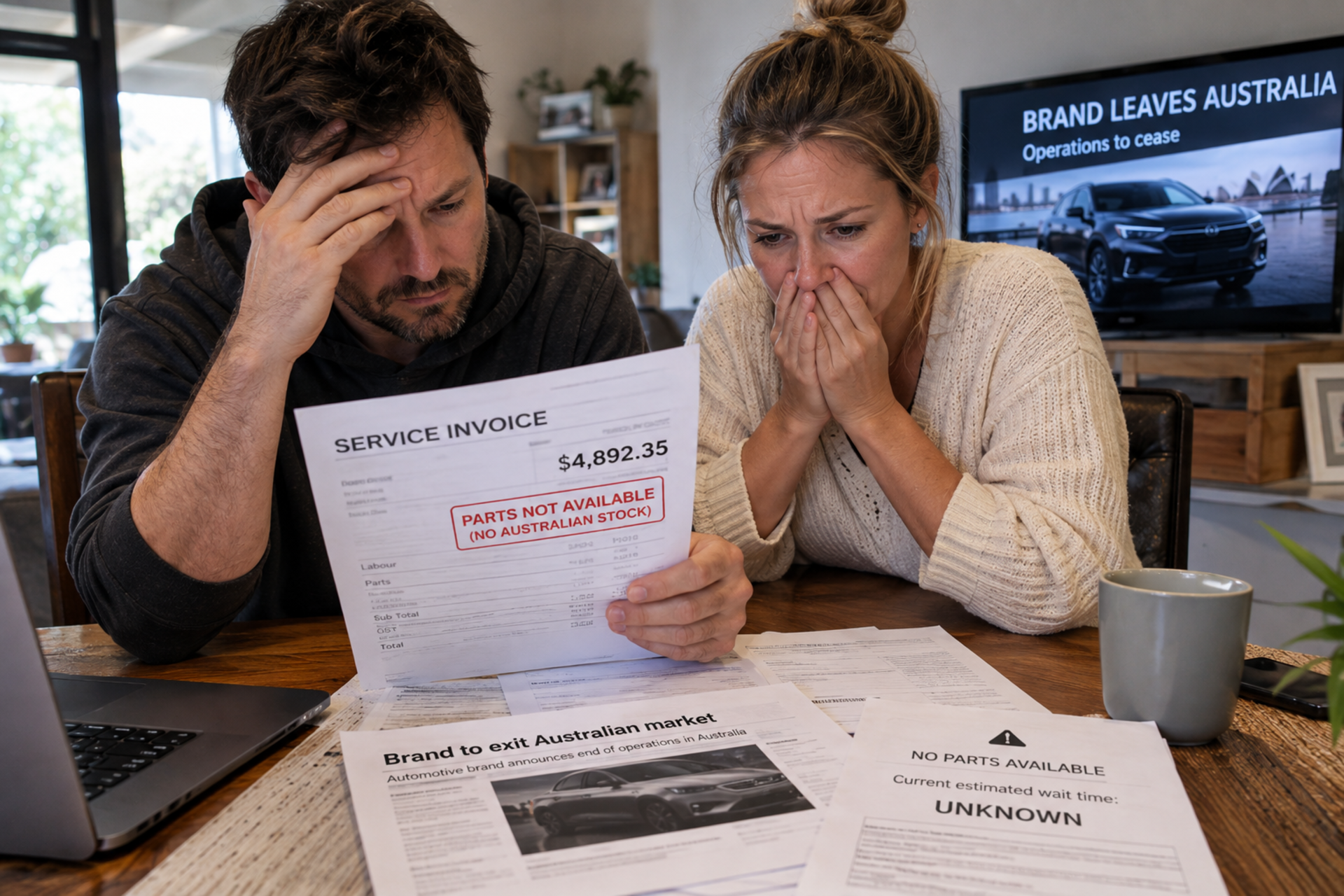
This is perhaps the question that deserves more attention than any other. Australia's automotive market is becoming increasingly competitive. New brands are entering constantly. Some will succeed. Some will grow rapidly. Some may struggle. And some may eventually decide that the Australian market isn't commercially sustainable.
History tells us that automotive manufacturers can and do leave markets. So what happens if you've purchased a vehicle from a brand that no longer has a significant presence in Australia? Who supports the dealerships? Who manages the warranty process? Who holds the parts? Who provides technical support? And where do those parts come from?
In many cases, owners may still be able to source parts internationally. But that can be very different from having an established Australian distribution network supported by a national dealer network and local parts infrastructure. This is where buying from an established manufacturer can provide something that isn't listed on a specification sheet.
Confidence.
Nissan Has Been Here for More Than 60 Years
Nissan's connection with Australia didn't begin with the electric vehicle revolution. Nissan has been part of Australian motoring for generations. For more than six decades, Australians have driven Nissan vehicles to work, school, sporting events, holidays and across some of the most remote parts of the country.
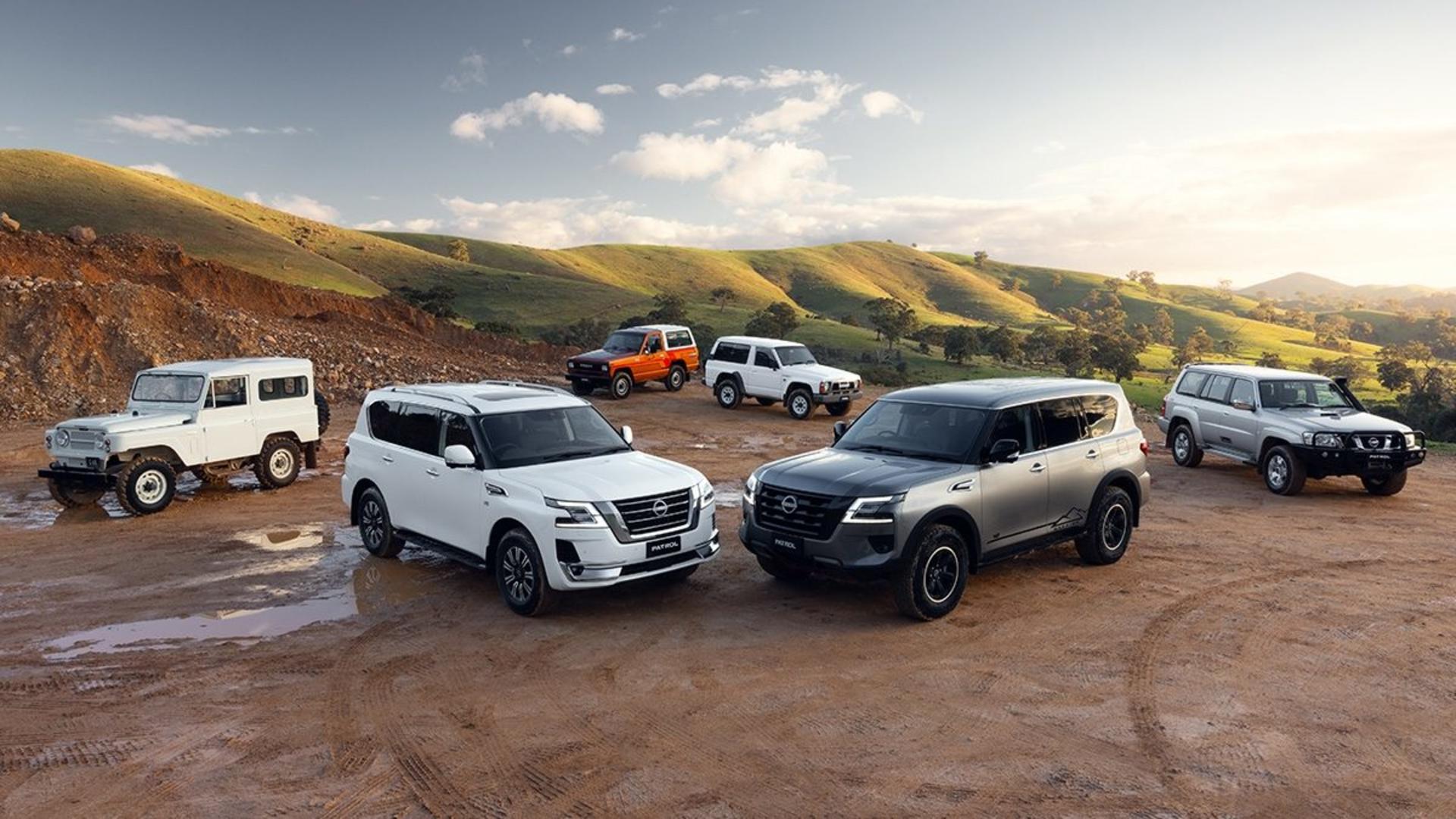
And Nissan's Australian presence goes beyond simply importing vehicles. Parts and components for selected Nissan vehicles are manufactured right here in Dandenong South. That's something that matters to us. Because Dandenong Nissan isn't simply selling a vehicle manufactured somewhere else in the world.
We're part of a much larger Australian network that includes:
- Local dealerships
- Local technicians
- Parts distribution
- Australian warehousing
- Technical support
- Local manufacturing and component supply
- National service infrastructure
For an EV buyer in Dandenong, that infrastructure might not seem important on day one. But ask anyone waiting for a part following an accident. It quickly becomes important.
The ARIYA Difference: More Than Just the Car
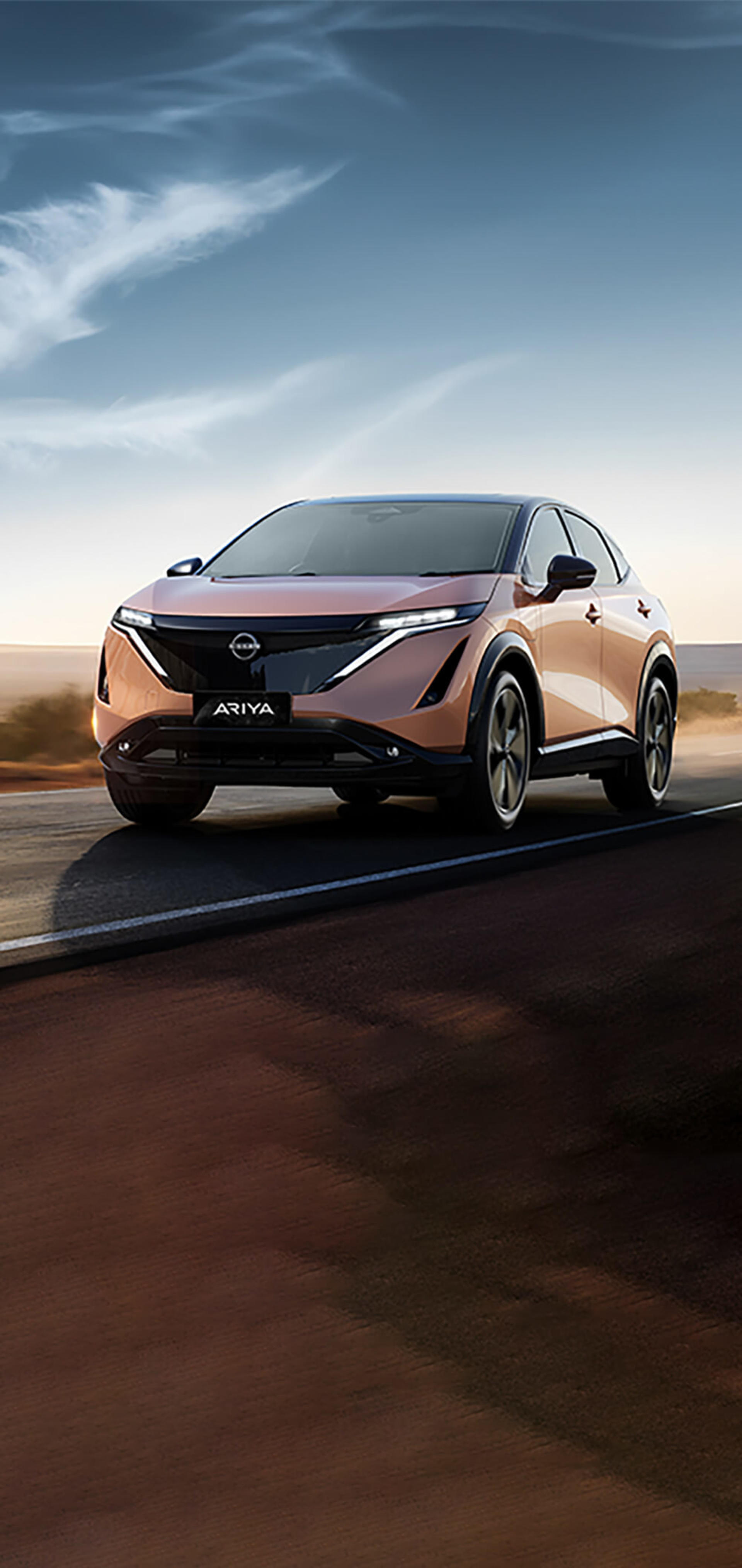
The Nissan ARIYA is often compared against other EVs based on battery range, performance and purchase price. And those things absolutely matter. But ownership is bigger than the vehicle itself.
When you purchase an ARIYA, you're also buying into an established automotive network. A network that has spent decades developing the infrastructure required to support Australian vehicle owners.
That includes access to a parts supply chain designed to support Nissan vehicles in Australia. For Dandenong Nissan, that means many common components can typically be sourced quickly through Nissan's established parts network.
Common items such as:
- Bumpers
- Headlights
- Bonnets
- Grilles
- Badges
can often be available within one to two business days, subject to stock availability. Compare that with waiting for a component to travel internationally with an uncertain delivery date. The difference isn't just convenience. It can affect the entire ownership experience.
The Nissan ARIYA is often compared against other EVs based on battery range, performance and purchase price. And those things absolutely matter. But ownership is bigger than the vehicle itself.
When you purchase an ARIYA, you're also buying into an established automotive network. A network that has spent decades developing the infrastructure required to support Australian vehicle owners.
That includes access to a parts supply chain designed to support Nissan vehicles in Australia. For Dandenong Nissan, that means many common components can typically be sourced quickly through Nissan's established parts network.
Common items such as:
- Bumpers
- Headlights
- Bonnets
- Grilles
- Badges
can often be available within one to two business days, subject to stock availability. Compare that with waiting for a component to travel internationally with an uncertain delivery date. The difference isn't just convenience. It can affect the entire ownership experience.
Resale Value: The Question Nobody Can Answer Yet
Another challenge with many new automotive brands is resale value. Put simply:
Nobody knows yet.
A manufacturer that has only been selling vehicles in Australia for a few years doesn't have decades of used vehicle data behind it.
There's no long-term history showing:
- How the vehicles perform after 10 years
- What replacement parts cost over time
- How easily they can be repaired
- How the brand retains value
- How the technology ages
- What the used-car market will pay
That's not necessarily a criticism. Every established automotive brand was new once. But for a buyer considering a vehicle as a long-term investment, it's something worth thinking about. Established manufacturers have a history. Buyers know the brands. The market understands the vehicles. Technicians have experience working on them. Parts networks already exist. And used-car buyers have confidence built through years of ownership experience.
That can make a significant difference when it's eventually time to sell or trade.
Brand Reputation Still Matters
There is a reason established automotive brands have survived for decades. They have had to. The Australian market is demanding. Australian drivers are demanding. And a vehicle manufacturer can't survive for 60 years by simply selling a car and forgetting about the customer afterwards.
Reputation matters. Reliability matters. Parts availability matters. Warranty support matters. Resale value matters.
And increasingly, with electric vehicles becoming more technologically advanced, long-term support matters more than ever. The EV market might be new. But the fundamentals of good vehicle ownership haven't changed.
So, Is the Cheapest EV Actually the Cheapest?
Maybe. For some buyers, a low purchase price will make perfect sense. If the vehicle suits your lifestyle, your budget and your expectations, a newer EV brand could be an excellent choice. But we believe Australian buyers should be asking more questions before making their decision.
Don't just ask:
"How much does it cost?"
Ask:
"How much will it cost me to own?"
Ask about insurance. Ask about replacement parts. Ask where those parts are stored. Ask how long accident repairs can take. Ask about the local dealer network. Ask about long-term manufacturer support. Ask about resale value. Ask what happens if the manufacturer changes its plans for Australia.
And perhaps most importantly:
Ask what happens after you drive the car out of the showroom.
Because that's when ownership really begins.
Cheap Doesn't Mean Good. Expensive Doesn't Mean Better.
The purpose of this conversation isn't to suggest that every new EV brand is bad. It isn't. And it isn't to suggest that every established manufacturer will always be the right choice for every buyer. The point is much simpler. The purchase price should never be the only number you consider. A cheaper vehicle can have expensive parts. A more expensive vehicle can be cheaper to repair.
A budget EV can cost almost as much to insure as a premium EV. A vehicle with an impressive warranty can still present challenges if parts aren't readily available. And a new brand with an attractive price today may have an unknown resale value tomorrow. The automotive industry is changing faster than ever. New brands will continue to arrive. Electric vehicles will continue to become more affordable. Competition will continue to increase.
That's all good for Australian consumers. But informed buyers will look beyond the sticker price.
The Nissan ARIYA: Built for the Journey Ahead
The Nissan ARIYA represents Nissan's approach to electric vehicle ownership. A Japanese-built electric vehicle. From a manufacturer with more than 60 years of Australian history. Supported by an established national dealer network. Supported by an Australian parts supply chain. And backed by a company that Australians already know.
Because when you purchase an electric vehicle, you're not just buying a battery and four wheels. You're choosing the company and infrastructure that will support you for years after the sale. And sometimes, paying a little more at the beginning can mean worrying a lot less in the future.
